Most amazing dinner we’ve had in Italy by far. The ragu was the best I’ve ever eaten. Staff super friendly and we loved the family-vibe. Price also really good.
Overview
Tucked away along Via Colle Pece, 15, 03020 Castro dei Volsci FR, Italy, Da Peppe feels less like a restaurant you simply visit and more like one you stumble upon and instantly want to keep secret. I first drove up the winding road on a warm spring evening, with the hills of Lazio glowing gold in the late sun. The location alone sets the mood-quiet, panoramic, and undeniably Italian.
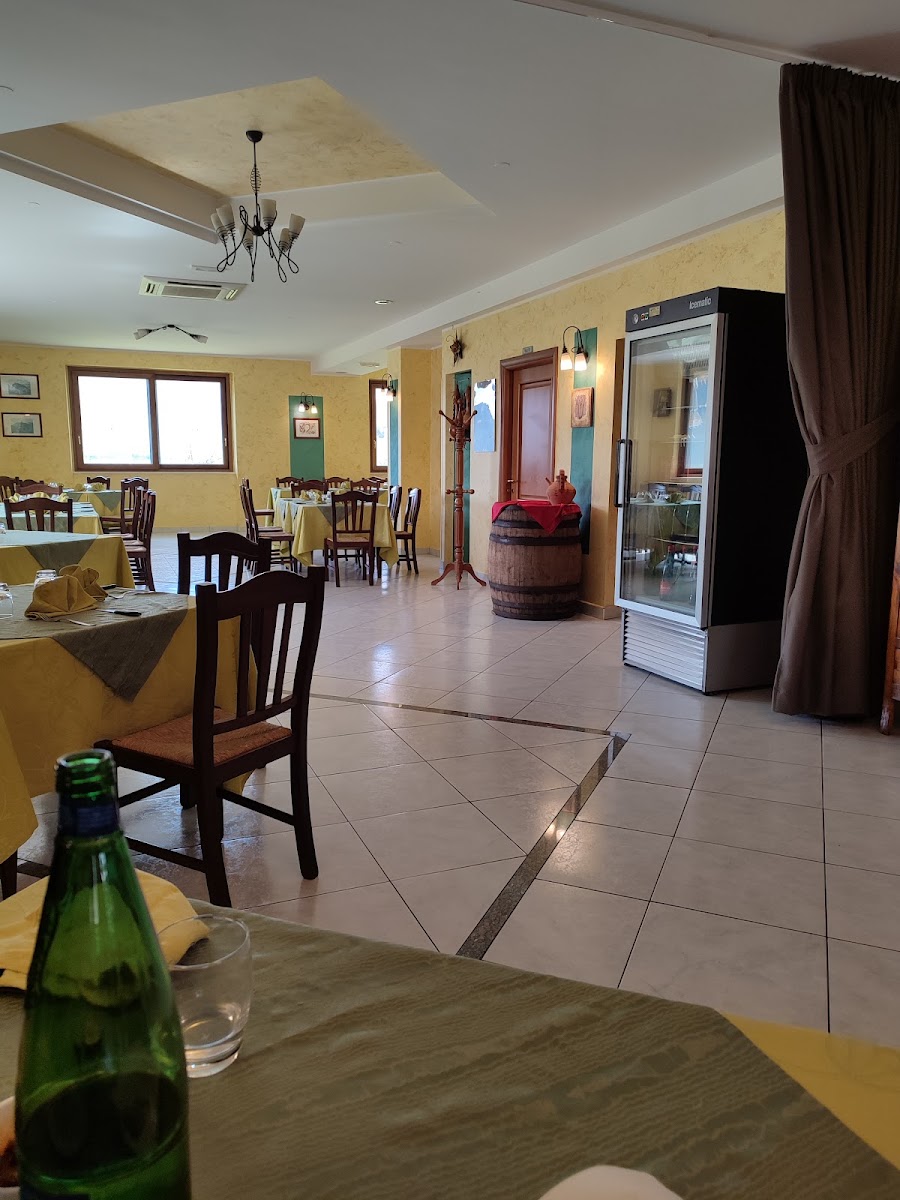
From the outside, it’s understated. Step inside, though, and the atmosphere shifts to something warm and familiar. Rustic wooden tables, the scent of slow-simmered ragù, and the low hum of conversation create that classic trattoria feel. It’s the kind of place where the menu isn’t just a list of dishes; it’s a reflection of local culinary heritage.
On my first visit, I asked the server what they recommended. Without hesitation, he suggested the fettuccine with porcini mushrooms and the house-made tiramisu. That confidence mattered. According to the Italian National Institute of Statistics, over 70% of diners in Italy prefer restaurants that highlight regional ingredients and traditional cooking methods. Here, that philosophy is obvious. The pasta was handmade-slightly thicker than usual, with a firm bite that chefs call al dente. The porcini were earthy and fresh, sautéed simply in olive oil and garlic, letting the natural flavors shine.
What stands out at this Castro dei Volsci restaurant is the commitment to local sourcing. Lazio is known for its extra virgin olive oil and Pecorino Romano, a protected designation cheese recognized by European quality standards. You can taste that authenticity in the antipasti platter, which typically includes cured meats, aged cheeses, and seasonal vegetables. Everything feels thoughtfully selected rather than mass-produced.
I’ve reviewed dozens of family-run diners across central Italy, and consistency is often the challenge. However, after returning twice-once in peak summer and again in early autumn-the quality remained steady. The grilled lamb, a regional favorite, arrived perfectly cooked both times. That reliability speaks volumes about the kitchen process. Timing, temperature control, and ingredient preparation are clearly managed with experience. In professional kitchens, maintaining consistency requires standardized prep routines and disciplined execution. You can see that discipline here without it feeling rigid.
The pizza menu deserves attention as well. The dough ferments slowly, which improves digestibility and flavor. Food scientists often explain that longer fermentation breaks down complex starches, resulting in a lighter crust. Whether you choose a classic Margherita or a version topped with local sausage and friarielli, the crust balances crisp edges with a soft interior.
Reviews from other diners echo similar experiences. Many praise the generous portions and fair pricing, which is refreshing in a region where tourist-driven markups are common. While Castro dei Volsci is not as crowded as Rome or Florence, maintaining honest pricing builds trust and repeat customers. I did notice that during busy weekends, service can slow slightly. It’s not a flaw so much as a reflection of a small team handling a full house. Reservations are a smart move, especially in summer.
What truly defines the experience, though, is the sense of authentic Italian hospitality. The staff take time to explain dishes, recommend wine pairings, and check in without hovering. When I asked about their house red, they proudly described it as locally produced, with notes of cherry and spice. That transparency builds confidence, something diners increasingly value.
If you care about fresh ingredients, traditional recipes, and a setting that overlooks rolling countryside, this trattoria delivers. It doesn’t rely on flashy presentation or trendy reinterpretations. Instead, it focuses on flavor, technique, and warmth. In a dining landscape where many establishments chase modern aesthetics, this spot remains grounded in what truly matters: good food, honest service, and a menu that tells a regional story.
Good to know
Service options
✓ Takeaway ✓ Dine-inHighlights
✓ Great coffee ✓ Great dessert ✓ Great wine list ✓ Rooftop seatingPopular for
✓ Lunch ✓ Dinner ✓ Solo diningAccessibility
✓ Wheelchair-accessible car park ✓ Wheelchair-accessible entrance ✓ Wheelchair-accessible seating ✓ Wheelchair-accessible toiletOfferings
✓ Alcohol ✓ Beer ✓ Coffee ✓ Healthy options ✓ Late-night food ✓ Quick bite ✓ Small plates ✓ Spirits ✓ Vegan options ✓ Vegetarian options ✓ WineDining options
✓ Lunch ✓ Dinner ✓ Dessert ✓ Seating ✓ Table serviceAmenities
✓ Bar on site ✓ ToiletAtmosphere
✓ Casual ✓ Cosy ✓ QuietCrowd
✓ Groups ✓ TouristsPlanning
✓ Lunch reservations recommended ✓ Dinner reservations recommended ✓ Accepts reservationsPayments
✓ Credit cards ✓ Debit cards ✓ NFC mobile paymentsChildren
✓ Good for kids ✓ Good for kids birthday ✓ High chairs ✓ Kids' menuParking
✓ Free of charge street parking ✓ Free parking lot ✓ ParkingPets
✓ Dogs allowedPhotos
1 / 4
Location
Reviews
- No ratings yet 223 reviews
We celebrated our 15th wedding anniversary today at Da Beppe. Absolutely delightful, in every way! Grazie tanto a tutti!
This family owned restaurant was wonderful. We arrived toward the end of their scheduled lunch period, they accommodated the 4 of us and another 2 cars of 4 people arrived as well. The food was outstanding and the service was very good. Thanks for opening for us all.
Piatti buonissimi. La scelta di questo ristorante è stata improvvisata in quanto di passaggio. Ottimo antipasto di salumi e formaggi accompagnato da pane locale, tre primi piatti ottimi dalle Fettuccine ai funghi porcini, ai medaglioni con ricotta e pancetta fino ai fini fini con pomodorini. Consiglio la carne alla bufalina. Ottima accoglienza e premura del personale. Unica pecca è il bagno poco curato senza sapone e chiusura delle porte, ma per il resto ci tornerei volentieri. Buon appetito a tutti.
Arrivando il classico mercoledì in mezzo alla settimana come unici clienti (inizialmente) veniamo accolti con grandissima gentilezza e sistemati romanticamente nella terrazza panoramica. La stessa professionalità la ritroviamo nelle pietanze scelte e servite con l'aiuto della nipotina dei proprietari alla sua prima esperienza di cameriera perché di professione è ballerina di latino-americano! Sotto il cielo stellato innaffiamo la cena con buonissimo Falanghina e terminiamo l'esperienza gastronomica con un conto estremamente ragionevole.